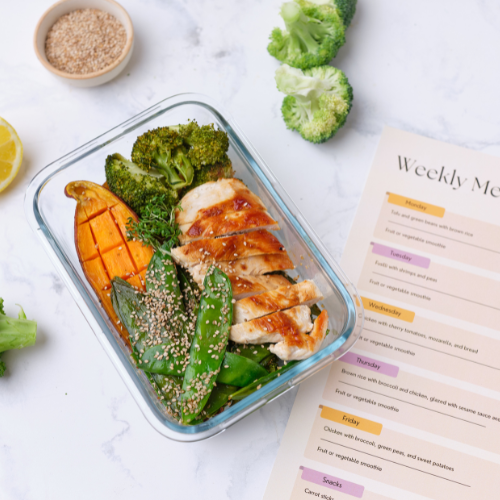

When somebody says weekly meal delivery service, that can mean several completely different things.
You might receive a box of raw ingredients and a recipe, fully prepared meals that need to be reheated, groceries and convenient foods that still leave you responsible for figuring out dinner, or fresh meals that are prepared and delivered hot throughout the week.
Calling all four of those things the same type of service can get confusing pretty quickly.
If you’re searching for weekly meal delivery services, it helps to know what you’re actually getting before you hand over your money. Because “meal delivery” can mean anything from here are your ingredients, to your hot meal is on the way.
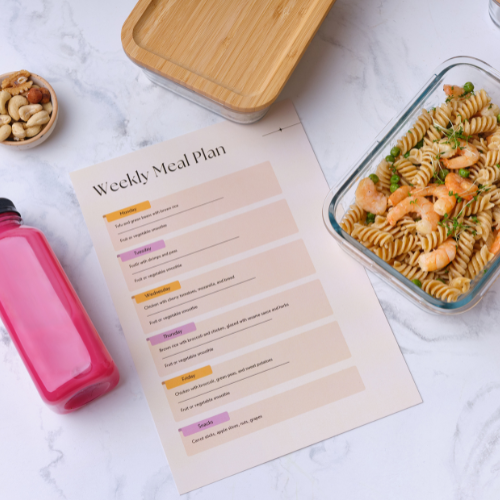
1. Meal Kit Delivery Services
Meal kit subscriptions take some of the work out of grocery shopping and meal planning, but they do not stop you from having to cook. The companies send pre-portioned ingredients along with recipes and instructions on how to prepare the pre-planeed meals.
A prime example of a meal kit delivery service is Hello Fresh.
Pros: If you enjoy cooking, but just don’t have the time and energy to figure out, “what’s for dinner,” every night or shopping and prepping for it, meal kits are very convenient.
Cons: The food comes ready to wash, clean, chop, season and cook. So, if you don’t enjoy cooking, this is not the meal delivery service for you. But if you’re looking for somebody else to handle dinner, you may want to keep reading.
2. Prepared Meal Delivery Services
Prefer pre-cooked meals you can just heat and eat? Then, you will appreciate dealing with a good prepared meal delivery service. The meals arrive at your door, refrigerated or frozen. All you have to do is reheat them in the oven or the microwave.
CookUnity is a good example.
Pros: There’s no shopping, prepping or cooking involved. So, it’s great for people who don’t enjoy cooking, or simply aren’t good at it.
Cons: These are not freshly prepared meals. They are cooked ahead of time, and stored until they head your way. Some people are perfectly happy with that arrangement, while others would rather have a meal that was cooked the same day.
KFC and Oreo Made Chicken-Flavored Cookies. Is This Marketing Genius or Just Weird?
3. Hybrid Grocery and Meal-Kit Delivery Services
Hybrid meal delivery services combine three parts to create one hybrid service:
- Meal kits
- Prepared foods
- Grocery delivery
That means your order may be a mixture of snacks, fresh foods, and ready-to-eat or ready-to-heat items all in the same order. Many have plant-based options for their vegan customers.
A popular example of this type of meal service is Hungryroot.
Pros: The flexibility is the biggest advantage because you’re not necessarily locked into somebody else’s meal plan. This opens you up to a wider variety of meals all in one delivery. Plus, you don’t have to shop for the food.
Cons: You’re still stuck answering the, “What’s for dinner?” question over and over again. And you may still may still have to prepare some or all of it.
4. Weekly Ordering Daily Delivery Meal Services
This type of meal delivery service falls in the “weekly” category because orders are placed once per week, then delivered to your door hot, and freshly prepared each evening just in time for dinner.
Instead of receiving an entire week’s worth of meals at once, customers receive their dinners throughout the week, personally delivered by the weekly ordering daily delivery service.
A prime example of a weekly ordering daily delivery service is WOW Chicken Life. They only serve Hemet and San Jacinto.
Pros: This can be especially convenient for people who want a regular dinner routine without having to plan what they’re eating each day, as well as shop for, prepare or even microwave it. They just answer the door, sit down and eat.
Cons: These are local, privately owned companies. So, they can only deliver so far. Some have teamed up with 3rd party delivery apps to expand their reach a bit, but others are okay just serving their local communities.
As you can see, there isn’t one universal version of a weekly meal delivery service. What you receive, how much work is left for you, and even how your meals are delivered can vary quite a bit. Here’s a quick look at all four at-a-glance.
Recap of 4 Types of Meal Planning Services… At-a-Glance
Now that we’ve covered the four types of meal delivery services, here’s a quick recap of what each one actually includes. Keep in mind that companies can use the term weekly meal delivery service for very different types of food delivery, so it helps to know what you’re actually ordering:
- Meal Kits: Ingredients + recipes = cooking
- Prepared Meals: Fully cooked food = reheating
- Hybrid Grocery/Meal Kits = Combo of groceries + ready-to-heat + ready-to-eat foods
- Weekly Ordering Daily Delivery Meals: Freshly cooked food + local delivery = 5 days of hot meals
Hopefully, this helps you make a more informed decision when you’re comparing meal delivery services. There’s no single option that’s right for everyone, so think about how much cooking, planning, shopping, and reheating you actually want to do before choosing one.
Knowing what each service provides makes it a whole lot easier to find the one that fits your needs. Click the button below to learn more.